Ever wondered about pet cloning? This comprehensive guide explores the fascinating world of animal duplication, answering your burning questions. We delve into the scientific process, discuss the current availability, and reveal the true costs involved. Discover the ethical considerations and legal landscape surrounding pet cloning today. This article cuts through the myths, providing up-to-date facts about whether you can clone your cherished companion. Learn what to expect, the challenges, and the hopeful future of this advanced technology. We examine the intricate details of somatic cell nuclear transfer and how it applies to our beloved animals. Uncover insights into personality, lifespan, and the factors influencing a cloned pet's health. This is your essential resource for understanding pet cloning in 2024 and beyond. It helps you make informed decisions about this complex and emotional topic.
Welcome to the ultimate living FAQ for "Can I Clone My Pet"! This guide is packed with up-to-date information for 2026, cutting through the myths and delivering honest answers. We know how deeply you cherish your animal companions, and the thought of cloning can bring both hope and confusion. Here, you will find comprehensive responses to your most pressing questions about the science, costs, ethics, and realities of pet cloning. Whether you are curious about the process, concerned about welfare, or simply exploring options, this resource is designed to be your trusted companion. We will address everything from scientific methods to the personality of cloned pets, ensuring you have a clear picture of this advanced technology. Let us demystify pet cloning together!
Understanding Pet Cloning Basics
What is somatic cell nuclear transfer for pet cloning?
Somatic Cell Nuclear Transfer (SCNT) is the primary technique used for pet cloning. It involves taking the nucleus, which contains DNA, from a somatic cell of the pet to be cloned. This nucleus is then inserted into an enucleated egg cell, an egg with its own nucleus removed. This reconstructed egg is activated to begin developing into an embryo. **Myth vs Reality Tip:** Many think SCNT creates an exact copy instantly, but it is a complex biological process with specific steps.
How long does the pet cloning process take?
The entire pet cloning process, from cell collection to the birth of a cloned puppy or kitten, typically takes several months. This includes laboratory work for embryo creation and the full gestation period of the surrogate mother. For dogs, gestation is around 63 days, and for cats, it is about 64 days. It is not an immediate solution, requiring patience and sustained commitment. **Tip:** Early cell collection from your pet can speed up future cloning efforts.
Costs and Ethical Considerations
Is it expensive to clone a pet?
Yes, pet cloning is very expensive, often considered a luxury service. Dog cloning typically costs between $50,000 and $60,000 USD, while cat cloning usually ranges from $25,000 to $35,000 USD. These costs reflect the intensive scientific labor, specialized equipment, and animal care involved. **Tip:** Companies may offer payment plans, but be prepared for a substantial financial investment. This is a premium biotechnology service.
Are there ethical concerns with pet cloning?
Significant ethical concerns exist regarding pet cloning, primarily centered on animal welfare. Critics worry about the health of cloned animals, the potential for suffering in surrogate mothers, and the number of embryos that may not develop. **Myth vs Reality Tip:** While some fear clones are 'unnatural,' the ethical debate often focuses more on resource allocation and animal exploitation than the intrinsic nature of the clone. Many organizations advocate for strict welfare guidelines.
Cloned Pet Characteristics
Will my cloned pet have the same personality?
No, a cloned pet will not have the exact same personality as the original. While they are genetic duplicates, personality is shaped by a complex interplay of genetics, environment, and experiences during development and upbringing. **Myth vs Reality Tip:** A clone is a genetic twin, but nurture plays a huge role in temperament. Expect a similar appearance but a unique individual with its own quirks.
Do cloned pets live as long as natural pets?
Current research suggests that cloned pets generally have a normal lifespan, comparable to naturally conceived animals. Early cloning attempts sometimes resulted in health issues, but techniques have improved significantly. **Myth vs Reality Tip:** The idea that all clones are sickly or short-lived is outdated. Many cloned pets live long, healthy lives, though individual health can vary like any animal.
Legal and Accessibility Aspects
Where can I get my pet cloned?
Pet cloning services are offered by specialized biotechnology companies, primarily in South Korea (e.g., Sooam Biotech) and the United States (e.g., ViaGen Pets). These companies have the necessary scientific expertise and facilities for the complex process. **Tip:** Research several companies, review their success rates, and understand their specific procedures and guarantees. Choose a reputable provider for your cloning journey.
Is pet cloning legal worldwide?
The legality of pet cloning varies significantly by country. It is generally legal in the United States and some Asian countries, including South Korea. However, some European nations have stricter regulations or outright bans on animal cloning for commercial purposes. **Myth vs Reality Tip:** There is no universal law. Always check the specific laws and regulations of your country or region before considering pet cloning. Laws prioritize animal welfare.
Still have questions about cloning your cherished companion? Explore our related guides on pet grief, advanced veterinary care, and genetic preservation for more insights!
Have you ever looked at your furry best friend and wished they could live forever? It is a thought many pet parents share, especially as our beloved companions age. The idea of having a duplicate of your cherished dog or cat sparks immense curiosity and hope. But can I clone my pet? This question stirs both scientific interest and deep emotional longing among owners. The truth is, pet cloning is a reality, albeit a complex one.
We are diving deep into the fascinating, sometimes controversial, world of animal cloning. This guide will unravel the science behind it, discuss its availability, and confront the significant costs involved. You will gain a clear understanding of what pet cloning entails and if it is truly an option for you. Prepare to explore the ethical debates and the practicalities of bringing a genetic twin into your home. Let us separate fact from fiction and discover what is truly possible today.
Many people dream of recreating the unique bond they share with an animal. Understanding the full picture helps in navigating this frontier of biotechnology. This article provides comprehensive information, drawing from the latest scientific advancements. It offers a balanced view, helping you weigh the pros and cons. We aim to equip you with the knowledge to make an informed decision about cloning your pet.
The Dream of Duplication: What Does Pet Cloning Involve?
The desire to keep a beloved pet alive indefinitely is a powerful human emotion. Cloning offers a pathway, albeit a complicated one, to achieving a genetic replica. This process is not like science fiction movies where a perfect copy instantly appears. It involves intricate laboratory procedures requiring significant expertise and resources. Understanding the mechanics helps demystify this advanced biotechnology. The core idea is to create an embryo with the exact same genetic material. This embryo then develops into an animal that is genetically identical to the original. It truly is a remarkable feat of modern science.
The Scientific Process of Pet Cloning
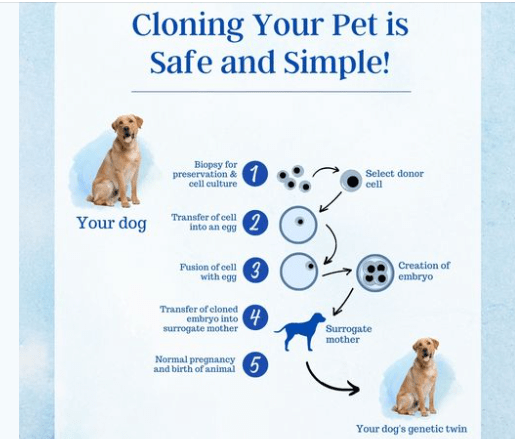
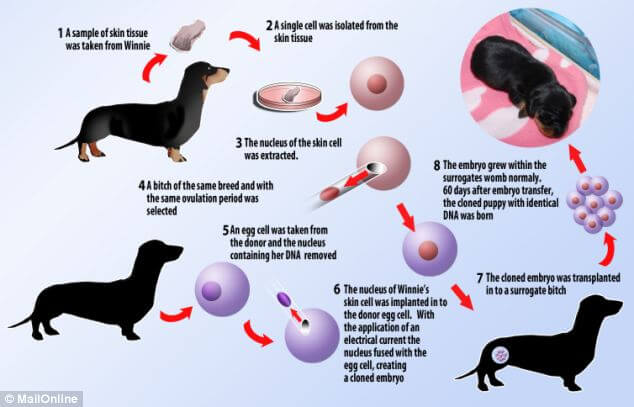
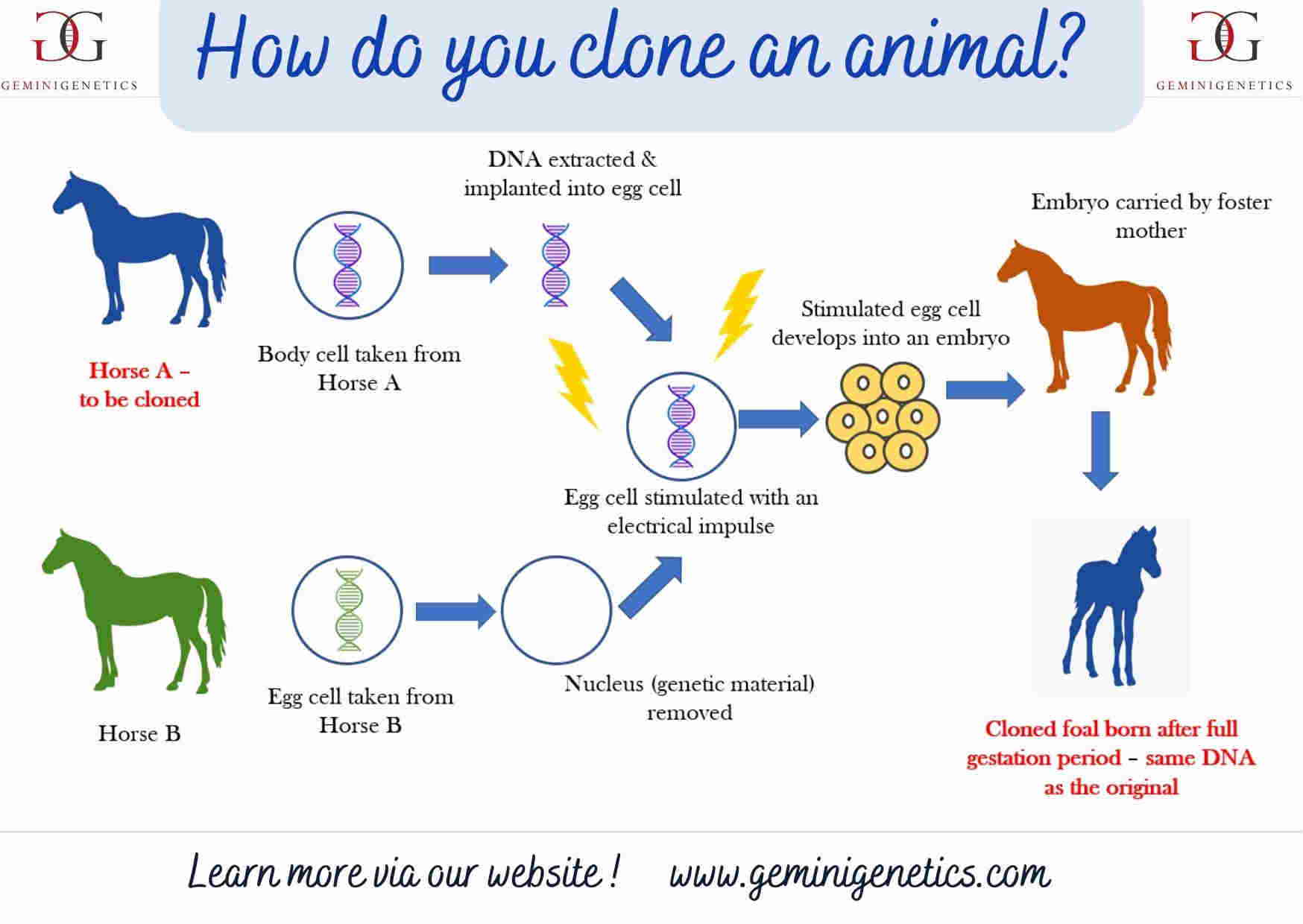
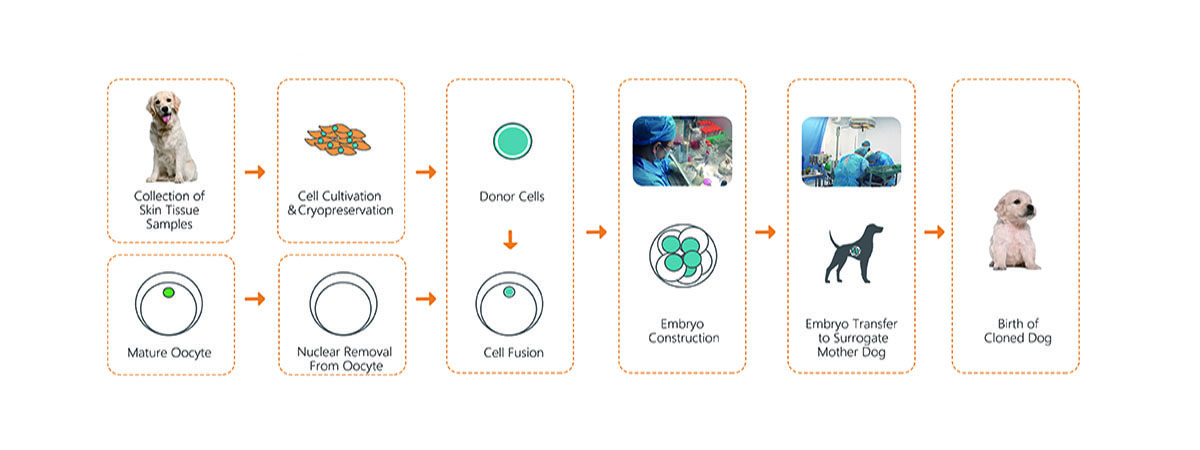
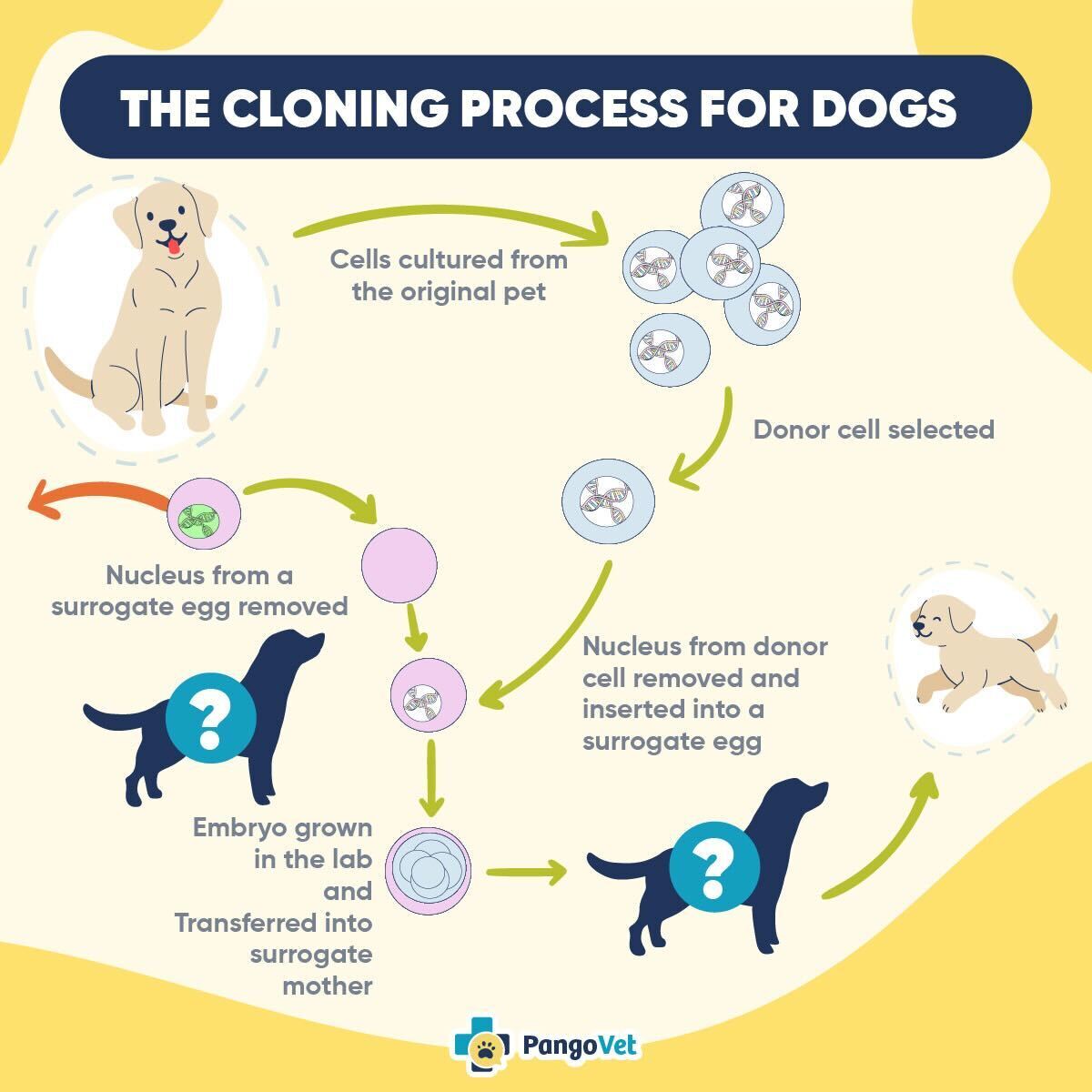
Pet cloning primarily relies on a technique called Somatic Cell Nuclear Transfer (SCNT). This method is well-established, having been famously used to clone Dolly the sheep. The process starts by collecting a small tissue sample from your pet, typically from the belly or ear. This sample contains somatic cells, which carry the pet's complete genetic information. Next, scientists extract an unfertilized egg cell from a donor animal. The nucleus, containing the donor egg's DNA, is carefully removed. This leaves an 'enucleated' egg cell ready for the next step.
Then, the nucleus from your pet's somatic cell is inserted into the enucleated donor egg. This newly reconstructed egg is stimulated, usually with an electric current, to begin dividing. The goal is to mimic the natural fertilization process. If successful, the egg develops into an early-stage embryo. This embryo is then surgically implanted into a surrogate mother. The surrogate carries the pregnancy to term, eventually giving birth to the cloned animal. This meticulous sequence of events requires precision and specialized equipment.
- **Cell Collection:** A small tissue sample is taken from the pet.
- **Egg Preparation:** An unfertilized egg's nucleus is removed.
- **Nuclear Transfer:** The pet's cell nucleus is inserted into the empty egg.
- **Activation:** The reconstructed egg is stimulated to divide.
- **Implantation:** The resulting embryo is placed into a surrogate mother.
- **Gestation & Birth:** The surrogate carries the clone to term.
Is Cloning Your Pet Possible Today?
Yes, pet cloning is indeed possible and available through commercial services in several countries. Companies like Sooam Biotech in South Korea and ViaGen Pets in the United States offer these services. They specialize in cloning dogs, cats, and even horses for grieving owners. The technology has advanced significantly since its inception, improving success rates over time. However, it remains a highly specialized and expensive endeavor. This is not a service found at your local veterinary clinic. It requires specific laboratories and experienced biotechnologists. The decision to clone a pet is often driven by an immense emotional connection.
Many factors affect the success rate of a cloning attempt. These include the age of the donor cells and the health of the surrogate mother. While possible, there are no guarantees that an embryo will develop successfully. It is a long and emotionally taxing journey for pet owners. The current reality is that while technology exists, it is far from a simple solution. It requires a profound commitment and understanding of the process. The process is a testament to scientific ingenuity and human attachment to animals.
The Costs and Considerations of Cloning a Pet
When you consider cloning your pet, the emotional appeal is often overwhelming. However, it is crucial to temper this with practical considerations, especially regarding cost. Pet cloning is a luxury service, not a routine veterinary procedure. The financial investment is substantial, reflecting the high-tech science and labor involved. Beyond the monetary aspect, there are significant ethical questions that every potential pet owner should ponder. Understanding these facets provides a complete picture of what cloning entails. It helps individuals make an informed choice.
Understanding Pet Cloning Costs
The cost of cloning a pet is a major deterrent for most people. For a dog, prices typically range from $50,000 to $60,000 USD. Cat cloning usually falls between $25,000 and $35,000 USD. These figures include the entire process, from cell collection to the delivery of the cloned animal. Such a high price covers complex laboratory work, surrogate animal care, and veterinary supervision. It reflects the cutting-edge technology and specialized expertise required. These costs do not usually cover ongoing care for the new pet. It is a one-time fee for the cloning service itself.
Additional expenses can arise if multiple attempts are needed or if complications occur. Some companies offer payment plans or guarantee policies, but the initial outlay is always significant. It is an investment in recreating a genetic bond, not just buying a new pet. People must be prepared for this financial commitment. This is a very niche market, catering to those who can afford such a premium service. The value is deeply personal for those who pursue it.
Ethical Debates Surrounding Animal Cloning
Beyond the technical and financial aspects, pet cloning raises profound ethical questions. Critics often cite concerns about animal welfare. There are worries about the health and lifespan of cloned animals themselves. Some argue that the use of multiple donor eggs and surrogate mothers can exploit animals. The process can have lower success rates, leading to failed pregnancies and animal suffering. Is it fair to put animals through this for human emotional fulfillment?
Another major debate revolves around the uniqueness of life. Some believe that each animal is an individual and cloning diminishes this individuality. They argue that a clone, while genetically identical, will never truly be the 'same' pet. Questions also arise about resource allocation. Should such significant resources be spent on cloning when so many shelter animals need homes? Proponents emphasize the personal comfort and scientific advancements gained. These debates are complex and highly personal. There are no easy answers in this discussion. It requires careful thought and a look at one's own values.
What Others Are Asking?
Many people have genuine questions about the practicality and implications of pet cloning. It is a topic that stirs both excitement and skepticism. We have gathered some of the most common inquiries to provide straightforward answers. Understanding these points helps clarify misconceptions surrounding animal duplication. Let us explore what people truly want to know about this advanced science. This section aims to provide quick, reliable information.
How much does it cost to clone a pet?
Cloning a pet is a very expensive process. The cost typically ranges from 25,000 for a cat to 60,000 for a dog in the US. This price covers cell collection, the SCNT procedure, embryo implantation, and the care for the surrogate mother until birth. It reflects the highly specialized scientific expertise and resources involved in this complex biotechnology. Budgeting for this service requires significant financial planning.
Is pet cloning legal in the US?
Yes, pet cloning is legal in the United States. There are no federal laws prohibiting the cloning of companion animals. Regulatory oversight primarily focuses on animal welfare during the process, rather than the act of cloning itself. However, individual states or municipalities might have specific regulations. Commercial pet cloning services operate openly and within legal frameworks. Always check local laws if you are considering this path.
Will a cloned pet be exactly the same?
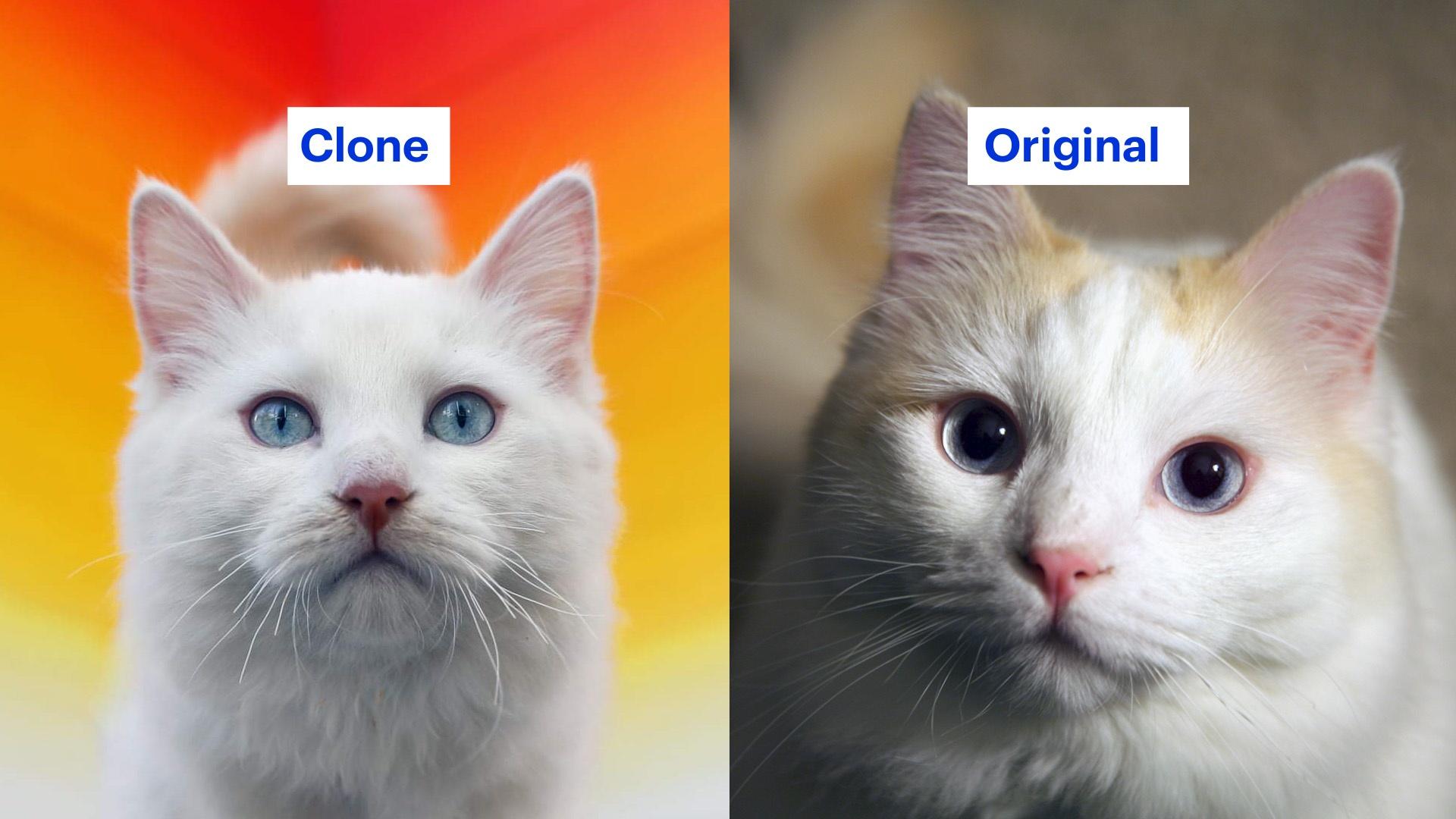
A cloned pet will be a genetic twin, sharing the exact same DNA as the original. However, it will not be an identical copy in every way. Environmental factors, upbringing, and random developmental variations will influence its personality, temperament, and appearance. Think of it like identical human twins; they share DNA but develop distinct personalities. Expect a similar appearance but a unique individual.
What are the pros and cons of pet cloning?
Pros include preserving a genetic lineage and offering emotional comfort to grieving owners. It provides a chance to extend a beloved pet's genetic traits. Cons involve the high cost, ethical concerns regarding animal welfare, and the possibility of health issues in clones. There is also the emotional challenge of accepting a new, unique individual. The decision weighs heavily on personal values.
Which animals can be cloned?
Many types of animals have been successfully cloned, including sheep, cows, mice, and horses. For companion animals, dogs, cats, and ferrets are among the most commonly cloned species. The success rate varies significantly between different species due to biological differences. Scientists continue to research and refine cloning techniques for a broader range of animals. The technology constantly evolves for various species.
The Future of Pet Cloning and Its Impact
The field of pet cloning is continuously evolving, driven by scientific advancements and human emotional needs. What was once purely speculative is now a commercial reality, albeit one with limitations. The future promises more refined techniques, potentially higher success rates, and perhaps even reduced costs. This could make the option accessible to a wider demographic. As technology progresses, so too will our understanding of its broader implications for animal welfare and society. It is an area of rapid innovation and ongoing ethical dialogue. The impact on pet ownership could be profound.
Emerging Technologies in Reproductive Science
Researchers are constantly exploring new methods to improve cloning efficiency and reduce ethical concerns. Advancements in stem cell research, gene editing, and artificial intelligence could revolutionize reproductive science. Imagine less invasive cell collection methods or more reliable embryo development. These innovations aim to make the process safer for animals involved, including donor eggs and surrogate mothers. Better understanding of epigenetic factors could also lead to clones more closely resembling the original pet's traits. The goal is to refine the SCNT process and overcome its current limitations. The scientific community is pushing boundaries. This pursuit could unlock new possibilities for animal conservation and human health.
Making an Informed Decision about Pet Cloning
Considering pet cloning is a deeply personal journey, often rooted in profound grief and attachment. It is vital to approach this decision with a clear head, understanding both the scientific realities and the emotional complexities. Do your research thoroughly, speak with cloning experts, and perhaps even consult a therapist. Discuss the financial implications and prepare for the long-term commitment of caring for a new pet. Remember that while genetically identical, your cloned companion will develop its own unique personality and experiences. Embrace the individuality of the new animal. The decision requires careful thought and emotional preparation. This ensures a positive outcome for both you and your future companion.
Ultimately, pet cloning represents a fascinating intersection of science, emotion, and ethics. While it offers a unique path to genetic continuity, it is not without its challenges and considerations. We hope this guide has illuminated the realities of 'can I clone my pet,' empowering you with knowledge. Understanding the science, costs, and ethical discussions allows for a truly informed decision. Your bond with your pet is unique, and any choice to extend it genetically should be made thoughtfully. The future holds many possibilities, and staying informed is key.
- **Process:** Pet cloning primarily uses Somatic Cell Nuclear Transfer (SCNT), involving DNA from your pet and an egg cell.
- **Feasibility:** Cloning is scientifically possible and offered by specialized companies, but it is a complex and costly procedure.
- **Cost:** Expect high financial investment, often tens of thousands of dollars, depending on the animal.
- **Identity:** Cloned pets are genetic duplicates but may not have identical personalities or appearances due to environmental factors.
- **Ethics:** Significant ethical considerations exist regarding animal welfare, resource allocation, and the philosophical implications of replication.
- **Legality:** Generally legal in many places, but regulations vary, focusing on welfare and research.

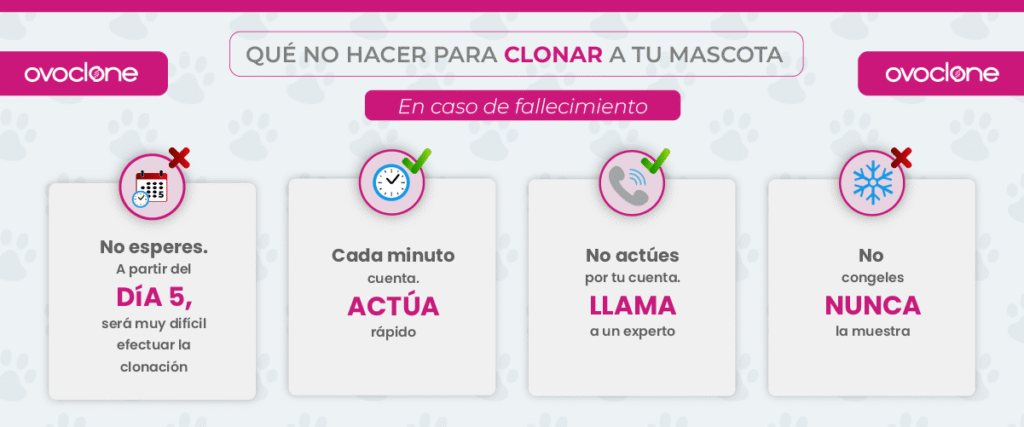


2026 Cloning Dogs Clogen Pets YouTube . My Pet Has Passed Away Can I Clone It Ovoclone Infografia Pasos Clonar Mascota 25 1024x427 1 . Inside The British Lab Where You Can Clone Your PETS Shropshire Clinic 90550733 13932115 Image A 7 . Who Has A Cloned Dog Dog Cloning How Do I Clone My Dog . I Cloned My Dog Again YouTube


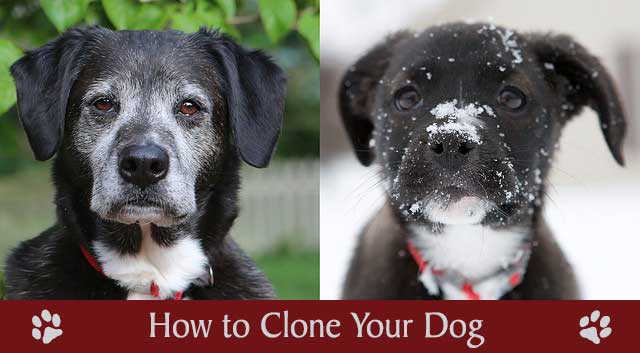
Clone Your Dog For 100k Dogs First Article 2600354 2 634x407 . The False Promise Of Cloning Your Pet Pet Animal Genetics Now Media. Can I Clone My Dog Cloning Animals Sooam Biotech Seoul South Korea Cloning Dogs John Woestendiek 1 . The False Promise Of Cloning Your Pet NOVA 6HrucmA Asset Mezzanine 16x9 4hRkCEU . How To Clone Your Dog Chasing Dog Tales How To Clone Your Dog
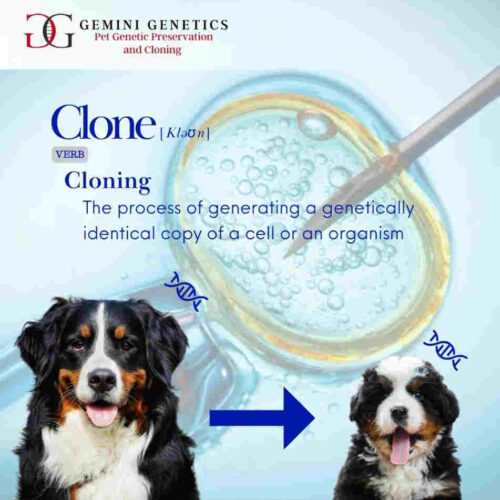



Pet Cloning Genetic By Gemini Genetics Pet Cloning Definition 500x500 . Inside The British Lab Where You Can Clone Your PETS Shropshire Clinic 90550785 0 Image M 5 . Dog Cloning Costs Gemini Genetics Gemini Genetics Canva Feed As Of August 2022 72 . Can You Clone A Dog Yes But Many Denounce The Practice Canine Journal How To Clone A Dog Chart Png . Pet Cloning Genetic By Gemini Genetics Orange And Pink Scrapbook Funny Animals Friend E Card 24



Dog Cloning Service Clone Your Beloved Pet Dog Sinogene Dog Cloning Process Chart 2 . Inside Lab Where You Can Clone Your Pet For 50 000 As Experts Reveal La Cloned Cat Comp . What Is Pet Cloning Gemini Genetics What Is Pet Cloning . How Much Does It Cost To Clone A Cat UK Gemini Genetics Cat Cloning UK 500x500 . Can I Clone My Dog Cloning Animals Sooam Biotech Seoul South Korea Cloning Dogs John Woestendiek 3


How Much Is Pet Cloning Costs Process And Success Rates Los Angeles 75. Can I Clone My Pet Using Hair Or Teeth Gemini Genetics Gemini Genetics Canva Feed As Of August 2022 60 500x500 . 34 800 Cloning Stock Photos Pictures Royalty Free Images IStock Pet Cloning . 2026 Pets Square Wall Calendar 1 Bc2269a7 1f0b 40b5 A2c9 . Can I Clone My Dog In The Us Copy Of Gemini Genetics Canva Feed As Of August 2022 26


Can I Clone My Dog In The UK Gemini Genetics Natural Clones Cloning In Nature . Can I Clone My Dog SW 090318 CloneDog Popup2 . The Cost Of Dog Cloning A Guide . Can I Clone My Cat UK Gemini Genetics Orange And Pink Scrapbook Funny Animals Friend E Card 5 . How To Clone Your Dog The Science Of Pet Cloning Pop Pet Cloning Lede 1607701834


The Hidden Cost Of Pet Cloning Cost Ethics More Dogster PangoVet The Cloning Process For Dogs Infographic . Can I Clone My Dog How Crispr Could Help You Clone Your Pet Or Gzero World . You Can Clone Your Pets For A Price But Should You Pixel Art Of Dogs Being Cloned In A Laboratory . Adopt Me 2026 Guide Smart Trading Saving Event Tips Adopt Me 2026 Guide.webp. 10 Facts About Pet Cloning And The Future For Pet Owners Pet Hub USA Cloned Cats